

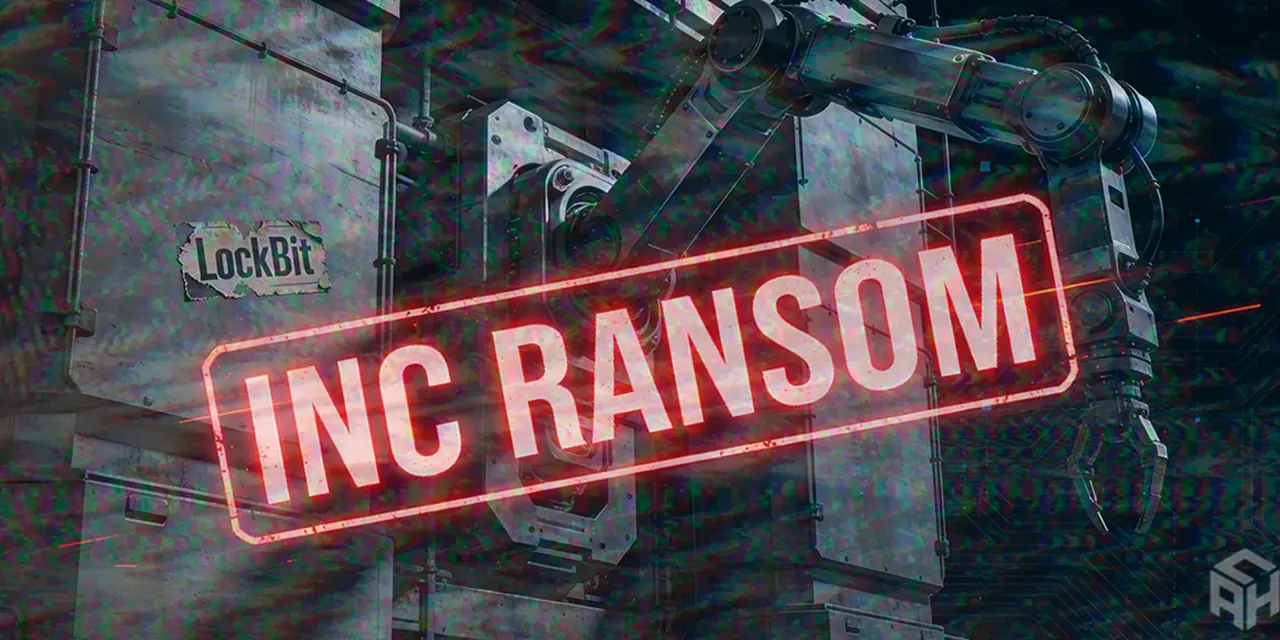
On January 13, 2026, INC RANSOM made its priorities clear. The group updated its dark web leak site and dropped four new victims from the US and Italy, all tied to the real economy. This was not a flashy one-off. It looked like a deliberate sweep across industrial targets where downtime is expensive and pressure works fast.
The repeat hit that stands out
The most alarming name on the list is STIM Group (stimgroup.it), an Italian industrial machinery manufacturer. Analysts flagged the same detail almost immediately: this appears to be a repeat breach. According to FalconFeeds, the company was previously hit by LockBit on February 10, 2024. Getting successfully encrypted twice in under two years usually points to one of two problems. Either the root cause from the first incident was never fully remediated, or some access and exposure remained in place long enough for another crew to walk in.
For any industrial business, a second ransomware event is more than operational pain. It is a reputational scar. Partners and customers do not care which gang did it. They care that it happened again.
A high-purity manufacturing risk
The other standout victim is Fit-Line Global (fit-lineglobal.com), a US company known for designing and manufacturing patented high-purity fluid processing fittings. That niche matters. High-purity components sit in the critical path of semiconductor and pharmaceutical supply chains. In cases like this, the risk is not limited to encrypted systems and temporary shutdown. The bigger long-term concern is exposure of technical documentation, designs, and IP that cannot be restored from backups.
INC RANSOM also listed two additional US organizations, consistent with the group’s pattern of going after mid-sized manufacturers:
- Compact Industries, a contract manufacturer and packager of dry food mixes
- Rodney’s Sign Company, a large provider of signage and visual navigation products
The broader signal is familiar but still easy to ignore until it is your turn. Ransomware crews keep gravitating toward manufacturing because factories cannot afford to pause. Production lines, shipments, and contracts create leverage. And the STIM Group case is the blunt reminder: surviving one ransomware attack does not buy you immunity. Without a serious post-incident fix and hardening, you do not look like a recovered company. You look like a returning target.
Have a story? Become a contributor.
We work with independent researchers and cybersecurity professionals. Send us a tip or submit your article for editorial review.